What does the world look like? Where are we in it? What is above the sky, and what is below our feet? The Vedic books answer these questions in amazing detail. They give sizes, colors, directions, names of mountains and rivers, and say who lives where and whom they worship. It is a real map — only a map of a much bigger world than the one we usually picture.
In this study I will not try to squeeze that map into the pictures from school textbooks. My aim is simpler: to let the books speak for themselves, and to show their picture as clearly as I can. I read them side by side, as in the first study, on creation: mostly the fifth canto of the Bhāgavatam, the second book of the Viṣṇu Purāṇa, the Bhīṣma-parva of the Mahābhārata, and the Kiṣkindhā-kāṇḍa of the Rāmāyaṇa. Every quote comes from the vedaword library, with a link to the verse. I also drew four maps from the numbers in these verses.
And at the end we will look closely at one question: is today's India the Bhārata-varṣa of the scriptures?
One word first. The distances below are in yojanas. The verses we have here do not say exactly how long a yojana is, so I will leave the numbers as they are. For our purpose it is enough to see the proportions — what is bigger, what is smaller, what is inside what.
1. One egg among countless eggs
The Vedic universe has a shape. It is an egg — a brahmāṇḍa, “the egg of Brahmā”. It has a shell, and around the shell are coverings, one outside the other:
vikāraiḥ sahito yuktair viśeṣādibhir āvṛtaḥ / āṇḍakośo bahir ayaṃ pañcāśat-koṭi-vistṛtaḥ
“This egg, with all that grew inside it, covered by the elements and the rest, stretches fifty koṭi yojanas.” — Śrīmad-Bhāgavatam 3.11.39
daśottarādhikair yatra praviṣṭaḥ paramāṇuvat / lakṣyate 'ntar-gatāś cānye koṭiśo hy aṇḍa-rāśayaḥ
“There, among coverings each ten times larger than the one before, it looks like an atom — and inside there are millions of other heaps of eggs.” — Śrīmad-Bhāgavatam 3.11.40
So there is not one egg. There are countless eggs. The Viṣṇu Purāṇa names the layers around each one:
ete sapta mayā lokā maitreya kathitās tava pātālāni ca saptaiva brahmāṇḍasyaiṣa vistaraḥ / etad aṇḍakaṭāhena tiryak cordhvam adhas tathā kapitthasya yathā bījaṃ sarvato vai samāvṛtam / daśottareṇa payasā maitreyāṇḍaṃ ca tad vṛtam … vahniś ca vāyunā vāyur maitreya nabhasā vṛtaḥ bhūtādinā nabhaḥ so 'pi mahatā pariveṣṭitaḥ daśottarāṇy aśeṣāṇi maitreyaitāni sapta vai /
“These are the seven worlds and the seven lower worlds — this is the whole extent of Brahmā's egg. The shell closes it on every side, like the seed of a wood-apple. The egg is wrapped in water ten times larger… fire is wrapped in air, air in space, space in the ego-element, and that in the great principle. All seven are ten times larger each.” — Viṣṇu Purāṇa 2.7.21–24
mahāntaṃ ca samāvṛtya pradhānaṃ samavasthitam anantasya na tasyāntaḥ saṃkhyānaṃ vāpi vidyate… aṇḍānāṃ tu sahasrāṇāṃ sahasrāṇy ayutāni ca īdṛśānāṃ tathā tatra koṭikoṭiśatāni ca / dāruṇy agnir yathā tailaṃ tile tadvat pumān api…
“Around the great principle lies pradhāna — endless; it has no measure and no count… There are thousands of thousands, and hundreds of millions of millions of such eggs. As fire is in wood and oil in sesame, so the Person is in all of it.” — Viṣṇu Purāṇa 2.7.25–28
Where do all these eggs come from? The Brahma-saṁhitā says: from the body of Mahā-Viṣṇu. Each universe lives for the length of one of His breaths:
yasyaika-niśvasita-kālam athāvalambya jīvanti loma-vilajā jagad-aṇḍa-nāthāḥ viṣṇur mahān sa iha yasya kalā-viśeṣo…
“The lords of the universes, born from the pores of His skin, live for the time of one of His breaths. Mahā-Viṣṇu is only a part of a part of Him…” — Brahma-saṁhitā 5.48
Brahmā himself, the creator of our egg, sees how small he is, and says to Kṛṣṇa:
kvāhaṃ tamo-mahad-ahaṃ-kha-carāgni-vār-bhū-saṃveṣṭitāṇḍa-ghaṭa-sapta-vitasti-kāyaḥ / kvedṛg-vidhāvigaṇitāṇḍa-parāṇu-caryā-vātādhva-roma-vivarasya ca te mahitvam
“Who am I — with a body of seven spans, inside a pot-like egg wrapped in nature, the great principle, ego, space, air, fire, water and earth? And what is Your greatness — through the pores of Your skin countless such eggs float like specks of dust in a window's ray!” — Śrīmad-Bhāgavatam 10.14.11
So when the Vedic books speak of “many universes”, they mean this: many closed eggs, each with its own Brahmā, its own worlds, its own sun — floating in the endless body of the Lord.
2. The fourteen worlds: a map from top to bottom
Inside the egg are fourteen worlds, lokas. Seven are above, seven are below. The Bhāgavatam places them on the body of the universal form of the Lord, from the feet to the head:
bhūrlokaḥ kalpitaḥ padbhyāṃ bhuvarloko 'sya nābhitaḥ / hṛdā svarloka urasā maharloko mahātmanaḥ
“Bhūrloka is placed at His feet, Bhuvarloka at His navel, Svarloka at His heart, Maharloka at His chest.” — Śrīmad-Bhāgavatam 2.5.38
grīvāyāṃ janaloko 'sya tapolokaḥ stanadvayāt / mūrdhabhiḥ satyalokastu brahmalokaḥ sanātanaḥ
“Janaloka is at His neck, Tapoloka at His breast, and at His heads Satyaloka — the world of Brahmā.” — Śrīmad-Bhāgavatam 2.5.39
tatkaṭyāṃ cātalaṃ kḷptam ūrubhyāṃ vitalaṃ vibhoḥ / jānubhyāṃ sutalaṃ śuddhaṃ jaṅghābhyāṃ tu talātalam
“Atala is at His hips, Vitala at His thighs, pure Sutala at His knees, Talātala at His shins…” — Śrīmad-Bhāgavatam 2.5.40
mahātalaṃ tu gulphābhyāṃ prapadābhyāṃ rasātalam / pātālaṃ pādatalata iti lokamayaḥ pumān
“…Mahātala at His ankles, Rasātala at the front of His feet, and Pātāla at the soles. Such is the Person made of worlds.” — Śrīmad-Bhāgavatam 2.5.41
The first three worlds are the ones we hear about in the Gāyatrī — bhūr bhuvaḥ svaḥ. The Taittirīya Upaniṣad explains them simply:
bhūḥ bhuvaḥ suvaḥ iti vai etāḥ tisraḥ vyāhṛtayaḥ tāsām u ha sma etām caturthīm māhācamasyaḥ pravedayate mahaḥ iti tat brahma saḥ ātmā… bhūḥ iti vai ayam lokaḥ bhuvaḥ iti antarikṣam suvaḥ iti asau lokaḥ mahaḥ iti ādityaḥ…
“Bhūḥ, bhuvaḥ, suvaḥ — these are the three sacred words; and Māhācamasya taught a fourth: mahaḥ… Bhūḥ is this world, bhuvaḥ is the middle space, suvaḥ is that world above…” — Taittirīya Upaniṣad 1.5
And the Viṣṇu Purāṇa gives each world its border — very concretely:
pādagamyaṃ tu yat kiṃcid vastv asti pṛthivīmayam sa bhūrlokaḥ … bhūmisūryāntaraṃ yat tu siddhādimunisevitam bhuvarlokas … dhruvasūryāntaraṃ yat tu niyutāni caturdaśa svarlokaḥ … trailokyam etat kṛtakaṃ … janas tapas tathā satyam iti cākṛtakaṃ trayam / kṛtakākṛtayor madhye maharloka iti smṛtaḥ śūnyo bhavati kalpānte yo 'tyantaṃ na vinaśyati /
“Everything made of earth that can be reached on foot — that is Bhūrloka. The space between the earth and the sun, where the Siddhas and sages move, is Bhuvarloka. The space between the sun and Dhruva, fourteen niyutas, is Svarloka… These three worlds are made — they are destroyed. Jana, Tapas and Satya are not made. Maharloka lies between them: at the end of the kalpa it becomes empty, but it is not destroyed.” — Viṣṇu Purāṇa 2.7.16–20
Here is the whole picture on one sheet:
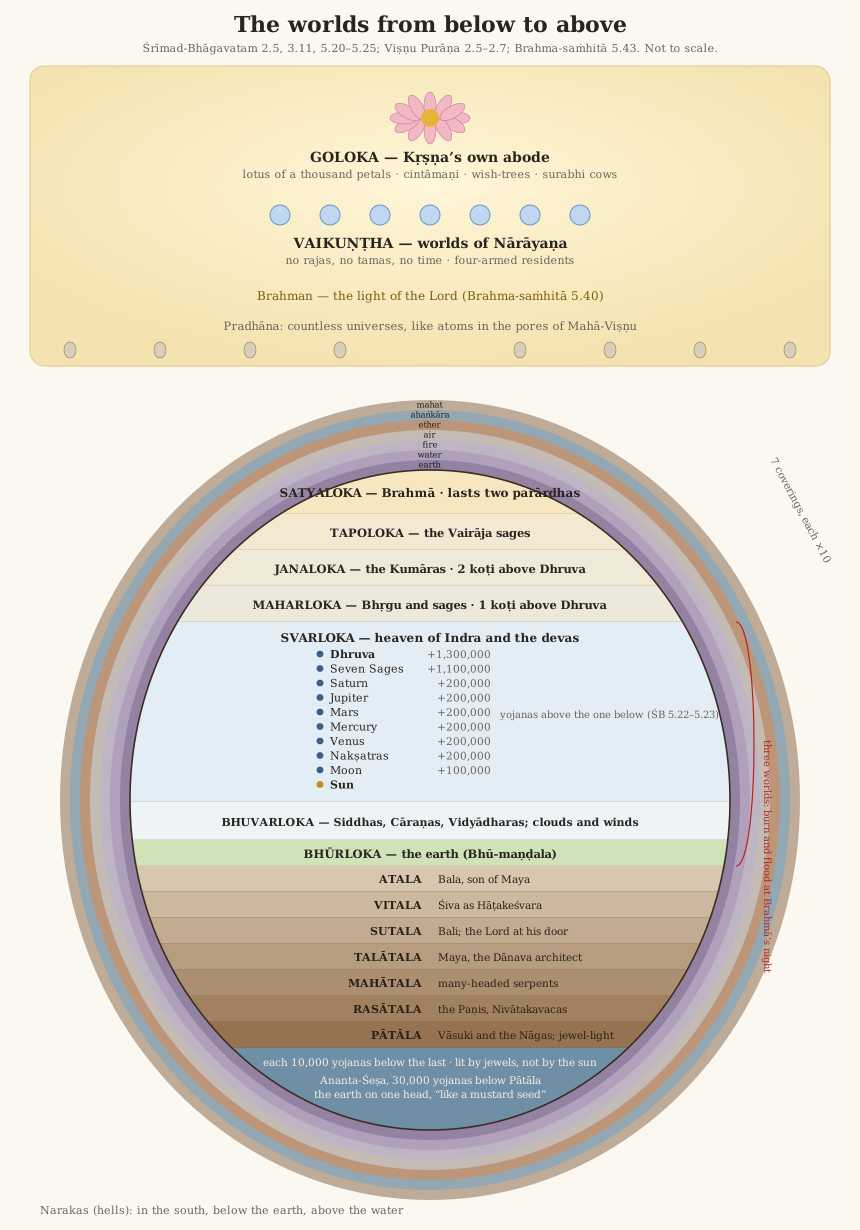
Keep this map in mind. Now we go down to our own level — to the earth — and look at it closely.
3. The earth is a lotus
In the Vedic picture, the earth — Bhū-maṇḍala — is a huge flat circle, and it looks like a lotus. In its center is a round “cup”, the island of Jambūdvīpa:
yo vāyaṃ dvīpaḥ kuvalaya-kamala-kośābhyantara-kośo niyuta-yojana-viśālaḥ samavartulo yathā puṣkara-patram / yasmin nava varṣāṇi nava-yojana-sahasrāyāmāny aṣṭabhir maryādā-giribhiḥ suvibhaktāni bhavanti
“This island is the inner cup inside the cup of the earth-lotus. It is a hundred thousand yojanas across, evenly round, like a lotus leaf. In it are nine lands (varṣas), each nine thousand yojanas long, well divided by eight boundary mountains.” — Śrīmad-Bhāgavatam 5.16.5–6
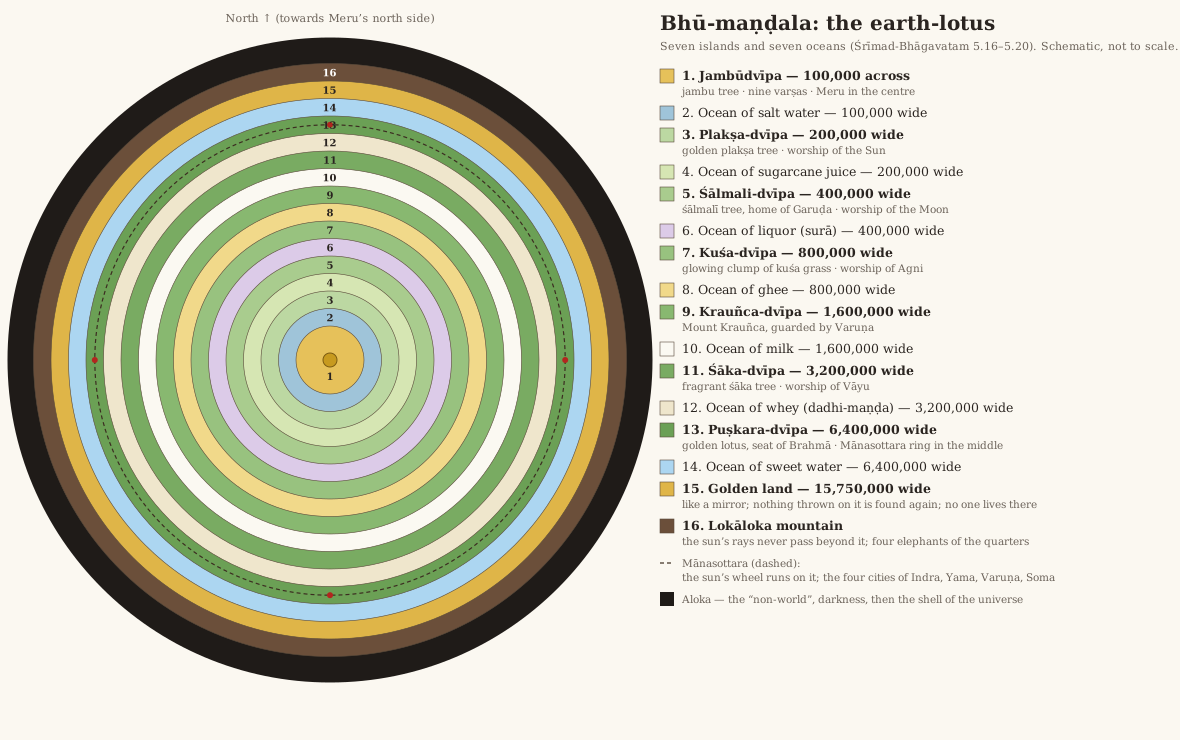
Around Jambūdvīpa lie rings: an ocean, then an island, then an ocean again — seven islands and seven oceans, and every next ring is twice as wide as the one before:
jambūplakṣāhvayau dvīpau śālmalaś cāparo dvija kuśaḥ krauñcas tathā śākaḥ puṣkaraś caiva saptamaḥ / ete dvīpāḥ samudrais tu sapta saptabhir āvṛtāḥ lavaṇekṣusurāsarpirdadhidugdhajalaiḥ samam /
“The islands are Jambū, Plakṣa, Śālmala, Kuśa, Krauñca, Śāka and the seventh, Puṣkara. These seven islands are surrounded by seven oceans — of salt water, sugarcane juice, liquor, ghee, curd, milk and sweet water.” — Viṣṇu Purāṇa 2.2.1–6
The Bhāgavatam gives the same rings, with the ocean of milk before the ocean of whey. It describes the first step like this:
… jambūdvīpo 'yaṃ yāvat-pramāṇa-vistāras tāvatā kṣārodadhinā pariveṣṭito yathā merur jambv-ākhyena lavaṇodadhir api tato dvi-guṇa-viśālena plakṣākhyena parikṣipto yathā parikhā bāhyopavanena plakṣo jambū-pramāṇo dvīpākhyākaro hiraṇmaya utthito yatrāgnir upāste sapta-jihvas tasyādhipatiḥ priyavratātmaja idhmajihvaḥ …
“Jambūdvīpa is surrounded by an ocean of salt water as wide as itself… and the salt ocean in turn is surrounded by the island of Plakṣa, twice as wide — like a moat by an outer garden. On it grows a golden plakṣa tree, as big as the jambu tree, which gives the island its name. There the seven-tongued fire is worshipped.” — Śrīmad-Bhāgavatam 5.20.1–2
Each island has its own tree, its own mountains and rivers, its own people and its own form of worship. At the very edge of the islands lies a strange golden land, and then the great wall of the world:
tataḥ parastāl lokāloka-nāmācalo lokālokayor antarāle parita upakṣiptaḥ / yāvan mānasottara-mervor antaraṃ tāvatī bhūmiḥ kāñcany anyādarśa-talopamā yasyāṃ prahitaḥ padārtho na kathañcit punaḥ pratyupalabhyate tasmāt sarva-sattva-parihṛtāsīt / …
“Beyond that, all around, stands the mountain called Lokāloka — the border between the world and the non-world. Before it lies a land as wide as the distance from Meru to Mānasottara — golden, smooth as a mirror. Whatever is thrown onto it can never be found again, so every living being keeps away from it.” — Śrīmad-Bhāgavatam 5.20.34–36
sa loka-trayānte parita īśvareṇa vihito yasmāt sūryādīnāṃ dhruvāpavargāṇāṃ jyotir-gaṇānāṃ gabhastayo 'rvācīnāṃs trīn lokān āvitanvānā na kadācit parācīnā bhavitum utsahante tāvad un-nahanāyāmaḥ / etāvān loka-vinyāso māna-lakṣaṇa-saṃsthābhir vicintitaḥ kavibhiḥ sa tu pañcāśat-koṭi-gaṇitasya bhū-golasya turīya-bhāgo 'yaṃ lokālokācalaḥ
“The Lord placed it at the edge of the three worlds. It is so high that the rays of all the lights — from the sun up to Dhruva — light the three worlds inside but can never pass beyond it. This is the arrangement of the worlds that the sages have worked out by measure, sign and form. And this Lokāloka mountain is one quarter of the earth-sphere, which is reckoned at fifty koṭi yojanas.” — Śrīmad-Bhāgavatam 5.20.37–38
The Viṣṇu Purāṇa adds what lies beyond: darkness, and then the shell of the egg:
svādūdakasya purato dṛśyate 'lokasaṃsthitiḥ dviguṇā kāñcanī bhūmiḥ sarvajantuvivarjitā / lokālokas tataḥ śailo yojanāyutavistṛtaḥ ucchrāyeṇāpi tāvanti sahasrāṇy acalo hi saḥ / tatas tamaḥ samāvṛtya taṃ śailaṃ sarvataḥ sthitam tamaś cāṇḍakaṭāhena samantāt pariveṣṭitam / pañcāśatkoṭivistārā seyam urvī mahāmune sahaivāṇḍakaṭāhena sadvīpābdhimahīdharā /
“Beyond the ocean of sweet water lies a golden land, twice as wide, empty of every living being. Then the Lokāloka mountain… Then darkness covers that mountain on all sides, and the darkness is enclosed by the shell of the egg. This earth, with its islands, oceans and mountains, together with the shell, is fifty koṭi yojanas wide.” — Viṣṇu Purāṇa 2.4.93–97
Here is the map of the whole earth-lotus. The numbers are the widths of the rings in yojanas:
| Ring | Width (yojanas) | Tree or feature | Worship |
|---|---|---|---|
| Jambūdvīpa | 100,000 across | jambu tree; Meru in the center | — |
| Ocean of salt water | 100,000 | — | — |
| Plakṣa-dvīpa | 200,000 | golden plakṣa tree; seven-tongued fire | the Sun |
| Ocean of sugarcane juice | 200,000 | — | — |
| Śālmali-dvīpa | 400,000 | śālmalī tree, home of Garuḍa | the Moon |
| Ocean of liquor | 400,000 | — | — |
| Kuśa-dvīpa | 800,000 | a glowing clump of kuśa grass | Agni |
| Ocean of ghee | 800,000 | — | — |
| Krauñca-dvīpa | 1,600,000 | Mount Krauñca, guarded by Varuṇa | the deity of water |
| Ocean of milk | 1,600,000 | — | — |
| Śāka-dvīpa | 3,200,000 | a fragrant śāka tree | Vāyu |
| Ocean of whey | 3,200,000 | — | — |
| Puṣkara-dvīpa | 6,400,000 | a golden lotus, seat of Brahmā; Mānasottara mountain | the Lord as Brahmā |
| Ocean of sweet water | 6,400,000 | — | — |
| Golden land | = from Meru to Mānasottara | like a mirror; no one lives there | — |
| Lokāloka | — | the rays of the sun never cross it | — |
(The table follows the Bhāgavatam, 5.20. The Viṣṇu Purāṇa puts the ocean of curd before the ocean of milk, and the Mahābhārata gives yet another order. As in the first study, the tradition does not throw one version away: the books tell the same thing from different sides.)
4. Jambūdvīpa and golden Meru
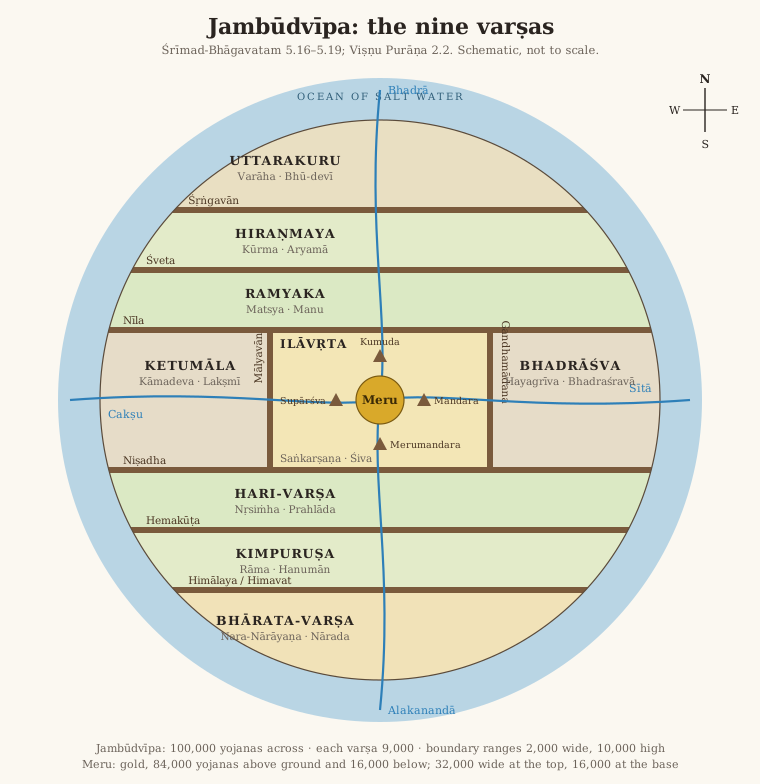
Now to the center. In the middle of Jambūdvīpa is the land of Ilāvṛta, and in its middle stands Meru — the king of mountains:
eṣāṃ madhye ilāvṛtaṃ nāmābhyantara-varṣaṃ yasya nābhyām avasthitaḥ sarvataḥ sauvarṇaḥ kula-giri-rājo merur dvīpāyāma-samunnāhaḥ karṇikā-bhūtaḥ kuvalaya-kamalasya mūrdhani dvā-triṃśat sahasra-yojana-vitato mūle ṣoḍaśa-sahasraṃ tāvat āntar-bhūmyāṃ praviṣṭaḥ
“In the middle of them is the inner land called Ilāvṛta. At its navel stands Meru, king of mountains, golden all over. It is as tall as the island is wide. It is the seed-pod of the earth-lotus. At the top it is thirty-two thousand yojanas wide, at the base sixteen thousand, and it goes as deep into the earth.” — Śrīmad-Bhāgavatam 5.16.7
The Viṣṇu Purāṇa gives the height above the ground:
jambūdvīpaḥ samastānām eteṣāṃ madhyasaṃsthitaḥ tasyāpi merur maitreya madhye kanakaparvataḥ / caturaśītisāhasro yojanair asya cocchrayaḥ / praviṣṭaḥ ṣoḍaśādhastād dvātriṃśan mūrdhni vistṛtaḥ mūle ṣoḍaśasāhasro vistāras tasya sarvataḥ / bhūpadmasyāsya śailo 'sau karṇikākārasaṃsthitaḥ / …
“Jambūdvīpa is in the middle of them all, and in its middle is Meru, the golden mountain. Its height is eighty-four thousand yojanas; it goes sixteen thousand below the ground; at the top it spreads thirty-two thousand… It stands like the seed-pod of this earth-lotus.” — Viṣṇu Purāṇa 2.2.7–12
84,000 above and 16,000 below — together 100,000, exactly “as tall as the island is wide”. The two books agree.
Meru is wider at the top than at the bottom — like the seed-pod in the middle of a lotus. Around it the lands are cut by mountain ranges. Three run east–west to the north of Meru, three to the south:
uttarottareṇelāvṛtaṃ nīlaḥ śvetaḥ śṛṅgavān iti trayo ramyaka-hiraṇmaya-kurūṇāṃ varṣāṇāṃ maryādā-girayaḥ prāg-āyatā ubhayataḥ kṣārodāvadhayo dvi-sahasra-pṛthava ekaikaśaḥ pūrvasmāt pūrvasmād uttara uttaro daśāṃśādhikāṃśena dairghya eva hrasanti / evaṃ dakṣiṇenelāvṛtaṃ niṣadho hemakūṭo himālaya iti prāg-āyatā yathā nīlādayo 'yuta-yojanotsedhā hari-varṣa-kimpuruṣa-bhāratānāṃ yathā-saṅkhyam
“To the north of Ilāvṛta, one after another, stand three mountains — Nīla, Śveta and Śṛṅgavān — the borders of Ramyaka, Hiraṇmaya and Kuru. They run from east to west and reach the salt ocean at both ends. Each is two thousand yojanas wide, and each one further north is a little shorter. In the same way, to the south of Ilāvṛta stand Niṣadha, Hemakūṭa and Himālaya, ten thousand yojanas high — the borders of Hari-varṣa, Kimpuruṣa and Bhārata.” — Śrīmad-Bhāgavatam 5.16.8–9
Two more ranges close Ilāvṛta on the west and east, and four great mountains stand on the four sides of Meru like its supports:
tathaivelāvṛtam apareṇa pūrveṇa ca mālyavad-gandhamādanāv ānīla-niṣadhāyatau dvi-sahasraṃ paprathatuḥ ketumāla-bhadrāśvayoḥ sīmānaṃ vidadhāte / mandaro merumandaraḥ supārśvaḥ kumuda ity ayuta-yojana-vistāronnāhā meroś catur-diśam avaṣṭambha-giraya upakḷptāḥ / caturṣv eteṣu cūta-jambū-kadamba-nyagrodhāś catvāraḥ pādapa-pravarāḥ parvata-ketava ivādhi-sahasra-yojanonnāhās tāvad viṭapa-vitatayaḥ śata-yojana-pariṇāhāḥ
“West and east of Ilāvṛta are Mālyavān and Gandhamādana, stretching from Nīla to Niṣadha — the borders of Ketumāla and Bhadrāśva. Mandara, Merumandara, Supārśva and Kumuda, each ten thousand yojanas wide and high, stand on the four sides of Meru as its supports. On them grow four great trees — a mango, a jambu, a kadamba and a banyan — like the banners of the mountains, over a thousand yojanas tall.” — Śrīmad-Bhāgavatam 5.16.10–12
5. Around Meru: rivers of juice and gold from the earth
Around Meru, the Bhāgavatam describes things that sound like a fairy tale — and it describes them with exact numbers. From the great mango tree on Mandara fall fruits as big as mountain peaks:
mandarotsaṅga ekādaśa-śata-yojanottuṅga-devacūta-śiraso giri-śikhara-sthūlāni phalāny amṛta-kalpāni patanti / teṣāṃ viśīryamāṇānām ati-madhura-surabhi-sugandhi-bahulāruṇa-rasodenāruṇodā nāma nadī mandara-giri-śikharān nipatantī pūr-veṇelāvṛtam upaplāvayati / … daśa-yojanaṃ samantād anuvāsayati
“On the slope of Mandara, from the top of a divine mango tree eleven hundred yojanas tall, fruits as big as mountain peaks, sweet as nectar, fall down. When they burst, their red juice, very sweet and fragrant, becomes a river called Aruṇodā. It falls from the peak of Mandara and flows over the east of Ilāvṛta… and its scent fills the air for ten yojanas around.” — Śrīmad-Bhāgavatam 5.16.16–18
From the jambu tree — the tree that gives the island its name — comes a river too, and from its banks comes gold:
evaṃ jambū-phalānām atyucca-nipāta-viśīrṇānām anasthi-prāyāṇām ibha-kāya-nibhānāṃ rasena jambū nāma nadī meru-mandara-śikharād ayuta-yojanād avani-tale nipatantī dakṣiṇenātmānaṃ yāvad ilāvṛtam upasyandayati / tāvad ubhayor api rodhasor yā mṛttikā tad-rasenānuvidhyamānā vāyv-arka-saṃyoga-vipākena sadāmara-lokābharaṇaṃ jāmbū-nadaṃ nāma suvarṇaṃ bhavati …
“In the same way, the jambu fruits — almost without seeds, as big as elephants — burst from their high fall, and their juice becomes the river Jambū. It falls ten thousand yojanas from the peak of Merumandara and waters the south of Ilāvṛta. The clay on both its banks, soaked in that juice and dried by the wind and the sun, becomes the gold called jāmbū-nada — the ornament of the gods.” — Śrīmad-Bhāgavatam 5.16.19–21
From the kadamba on Supārśva flow streams of honey to the west:
yas tu mahā-kadambaḥ supārśva-nirūḍho yās tasya koṭarebhyo viniḥsṛtāḥ pañcāyāma-pariṇāhāḥ pañca madhu-dhārāḥ supārśva-śikharāt patantyo 'pareṇātmānam ilāvṛtam anumodayanti / yā hy upayuñjānānāṃ mukha-nirvāsito vāyuḥ samantāc chata-yojanam anuvāsayati
“From the hollows of the great kadamba on Supārśva flow five streams of honey. Falling from the peak of Supārśva, they delight the west of Ilāvṛta. The breath of those who drink them makes the air fragrant for a hundred yojanas around.” — Śrīmad-Bhāgavatam 5.16.22–23
And from the banyan on Kumuda, in the north, flow rivers that give everything one wants — milk, curd, honey, ghee, food, even clothes and beds; and those who use them know no old age or illness (Śrīmad-Bhāgavatam 5.16.24–25).
On the very top of Meru is the city of Brahmā:
meror mūrdhani bhagavata ātma-yoner madhyata upakḷptāṃ purīm ayuta-yojana-sāhasrīṃ sama-caturasrāṃ śātakaumbhīṃ vadanti / tām anuparito loka-pālānām aṣṭānāṃ yathā-diśaṃ yathā-rūpaṃ turīya-mānena puro 'ṣṭāv upakḷptāḥ
“On the summit of Meru, in the middle, is the city of the self-born Brahmā — ten thousand yojanas, perfectly square, made of gold. Around it, in their directions, are the eight cities of the eight guardians of the world, each a quarter of its size.” — Śrīmad-Bhāgavatam 5.16.28–29
6. How the Gaṅgā comes down
The Gaṅgā in the Vedic picture does not start on earth. It starts outside the universe. When Vāmana stepped over the worlds, His toe pierced the shell of the egg, and the water from outside came in:
tatra bhagavataḥ sākṣād yajña-liṅgasya viṣṇor vikramato vāma-pādāṅguṣṭha-nakha-nirbhinnordhvāṇḍa-kaṭāha-vivareṇāntaḥ-praviṣṭā yā bāhya-jala-dhārā … ati-mahatā kālena yuga-sahasropalakṣaṇena divo mūrdhany avatatāra yat tad viṣṇu-padam āhuḥ
“When Lord Viṣṇu was striding, the nail of the big toe of His left foot broke through the upper shell of the egg, and through that hole a stream of the outer water came in… After a very long time — a thousand yugas — it came down to the top of heaven, which is called the foot of Viṣṇu.” — Śrīmad-Bhāgavatam 5.17.1
From there it comes down through the heavens, covers the moon, falls on the city of Brahmā on Meru, and divides into four:
tato 'neka-sahasra-koṭi-vimānānīka-saṅkula-deva-yānenāvatar-antīndu maṇḍalam āvārya brahma-sadane nipatati / tatra caturdhā bhidyamānā caturbhir nāmabhiś catur-diśam abhispandantī nada-nadī-patim evābhiniviśati sītālakanandā cakṣur bhadreti
“Then it comes down along the road of the gods, crowded with countless heavenly vehicles, covers the disc of the moon and falls on the abode of Brahmā. There it divides into four, and under four names — Sītā, Alakanandā, Cakṣu and Bhadrā — runs to the four directions and enters the ocean.” — Śrīmad-Bhāgavatam 5.17.4–5
sītā tu brahma-sadanāt kesarācalādi-giri-śikharebhyo 'dho 'dhaḥ prasravantī gandhamādana-mūrdhasu patitvāntareṇa bhadrāśva-varṣaṃ prācyāṃ diśi kṣāra-samudram abhipraviśati / evaṃ mālyavac-chikharān niṣpatantī tato 'nuparata-vegā ketumālam abhi cakṣuḥ pratīcyāṃ diśi sarit-patiṃ praviśati / bhadrā cottarato meru-śiraso nipatitā giri-śikharād giri-śikharam atihāya śṛṅgavataḥ śṛṅgād avasyandamānā uttarāṃs tu kurūn abhita udīcyāṃ diśi jaladhim abhipraviśati
“Sītā runs down from peak to peak, falls on Gandhamādana, crosses Bhadrāśva and enters the salt ocean in the east. Cakṣu falls from Mālyavān, crosses Ketumāla and enters the ocean in the west. Bhadrā falls from Meru to the north, leaps from mountain to mountain, runs down from Śṛṅgavān, flows around the Northern Kurus and enters the ocean in the north.” — Śrīmad-Bhāgavatam 5.17.6–8
And the fourth branch — the one that comes to us:
tathaivālakanandā dakṣiṇena brahma-sadanād bahūni giri-kūṭāny atikramya hemakūṭād dhaimakūṭāny ati-rabhasatara-raṃhasā luṭhayantī bhāratam abhivarṣaṃ dakṣiṇasyāṃ diśi jaladhim abhipraviśati yasyāṃ snānārthaṃ cāgacchataḥ puṃsaḥ pade pade 'śvamedha-rājasūyādīnāṃ phalaṃ na durlabham iti
“In the same way, the Alakanandā runs south from the abode of Brahmā, crosses many peaks, breaks through the ridges of Hemakūṭa with tremendous force, reaches Bhārata-varṣa and enters the ocean in the south. For one who comes to bathe in it, the fruit of great sacrifices is near at every step.” — Śrīmad-Bhāgavatam 5.17.9
Remember this path. The Alakanandā comes to Bhārata only after crossing Hari-varṣa and Kimpuruṣa and breaking through two giant ranges. We will need it later.
7. The nine lands and whom they worship
Each of the nine varṣas of Jambūdvīpa has its own form of the Lord and its own great devotee. Ilāvṛta, in the center, belongs to Śiva:
navasv api varṣeṣu bhagavān nārāyaṇo mahā-puruṣaḥ puruṣāṇāṃ tad-anugrahāyātma-tattva-vyūhenātmanādyāpi sannidhīyate / ilāvṛte tu bhagavān bhava eka eva pumān na hy anyas tatrāparo nirviśati bhavānyāḥ śāpa-nimitta-jño yat-pravekṣyataḥ strī-bhāvas tat paścād vakṣyāmi
“In all nine lands the Lord Nārāyaṇa is present to this day, in His own forms, out of mercy for their people. In Ilāvṛta, Lord Śiva is the only man. No other man goes there: knowing the curse of Bhavānī, he knows that whoever enters becomes a woman.” — Śrīmad-Bhāgavatam 5.17.14–15
bhavānīnāthaiḥ strī-gaṇārbuda-sahasrair avarudhyamāno bhagavataś caturmūrter mahā-puruṣasya turīyāṃ tāmasīṃ mūrtiṃ prakṛtim ātmanaḥ saṅkarṣaṇa-saṃjñām ātma-samādhi-rūpeṇa sannidhāpyaitad abhigṛṇan bhava upadhāvati / oṃ namo bhagavate mahā-puruṣāya sarva-guṇa-saṅkhyānāyānantāyāvyaktāya nama iti
“Surrounded by countless women of Bhavānī's circle, Śiva meditates on Saṅkarṣaṇa, the fourth form of the Lord, his own source, and approaches Him singing: 'Oṁ namo bhagavate mahā-puruṣāya — obeisance to the Lord, the Great Person, the Unlimited, the Unseen.'” — Śrīmad-Bhāgavatam 5.17.16–17
In the east, in Bhadrāśva, the horse-headed Lord is worshipped:
tathā ca bhadraśravā nāma dharma-sutas tat-kula-patayaḥ puruṣā bhadrāśva-varṣe sākṣād bhagavato vāsudevasya priyāṃ tanuṃ dharmamayīṃ hayaśīrṣābhidhānāṃ parameṇa samādhinā sannidhāpyedam abhigṛṇanta upadhāvanti / oṃ namo bhagavate dharmāyātma-viśodhanāya nama iti
“In Bhadrāśva-varṣa, Bhadraśravā, son of Dharma, and the elders of his family worship the beloved form of Vāsudeva called Hayaśīrṣa, and sing: 'Oṁ, obeisance to the Lord, Dharma, who makes the soul pure.'” — Śrīmad-Bhāgavatam 5.18.1–2
In Hari-varṣa — Nṛsiṁha and Prahlāda:
hari-varṣe cāpi bhagavān nara-hari-rūpeṇāste … prahlādo 'vyavadhānānanya-bhakti-yogena saha tad-varṣa-puruṣair upāste … oṃ namo bhagavate narasiṃhāya namas tejas-tejase āvir-āvirbhava vajra-nakha vajra-daṃṣṭra …
“In Hari-varṣa the Lord lives in the form of the Man-Lion. Prahlāda worships Him there with the people of that land with pure devotion: 'Oṁ namo bhagavate narasiṁhāya — the fire of all fire! Appear, appear, You with claws and teeth like thunderbolts…'” — Śrīmad-Bhāgavatam 5.18.7–8
And in Kimpuruṣa, the land just north of the Himālaya, Hanumān serves Rāma to this day:
kimpuruṣe varṣe bhagavantam ādi-puruṣaṃ lakṣmaṇāgrajaṃ sītābhirāmaṃ rāmaṃ tac-caraṇa-sannikarṣābhirataḥ parama-bhāgavato hanumān saha kimpuruṣair avirata-bhaktir upāste / ārṣṭiṣeṇena saha gandharvair anugīyamānāṃ …
“In Kimpuruṣa-varṣa, the great devotee Hanumān, who loves to be near His feet, worships with unbroken devotion Lord Rāma — the elder brother of Lakṣmaṇa, the joy of Sītā — and listens with Ārṣṭiṣeṇa to the Gandharvas singing His story.” — Śrīmad-Bhāgavatam 5.19.1–3
| Land (varṣa) | Where | Border | Form of the Lord | Who worships |
|---|---|---|---|---|
| Ilāvṛta | center, around Meru | — | Saṅkarṣaṇa | Śiva |
| Bhadrāśva | east | Gandhamādana | Hayagrīva (Hayaśīrṣa) | Bhadraśravā |
| Ketumāla | west | Mālyavān | Kāmadeva | Lakṣmī |
| Ramyaka | north, first | Nīla | Matsya | Manu |
| Hiraṇmaya | north, second | Śveta | Kūrma | Aryamā |
| Uttarakuru | far north | Śṛṅgavān | Varāha | Bhū-devī, the Earth |
| Hari-varṣa | south, first | Niṣadha | Nṛsiṁha | Prahlāda |
| Kimpuruṣa | south, second | Hemakūṭa | Rāma | Hanumān |
| Bhārata | south, last | Himālaya | Nara-Nārāyaṇa | Nārada |
(Sources: ŚB 5.17, 5.18, 5.19. The Viṣṇu Purāṇa names some forms differently — for example, Kūrma in Bhārata and Varāha in Ketumāla, VP 2.2.47–53.)
The Bhāgavatam says something important about the eight other lands: they are “earthly heavens”. People there live ten thousand years, with the strength of ten thousand elephants; time there is like the Tretā age (Śrīmad-Bhāgavatam 5.17.11–12). Only one land is different. Only one is the land of action.
8. Bhārata-varṣa: what the scriptures say
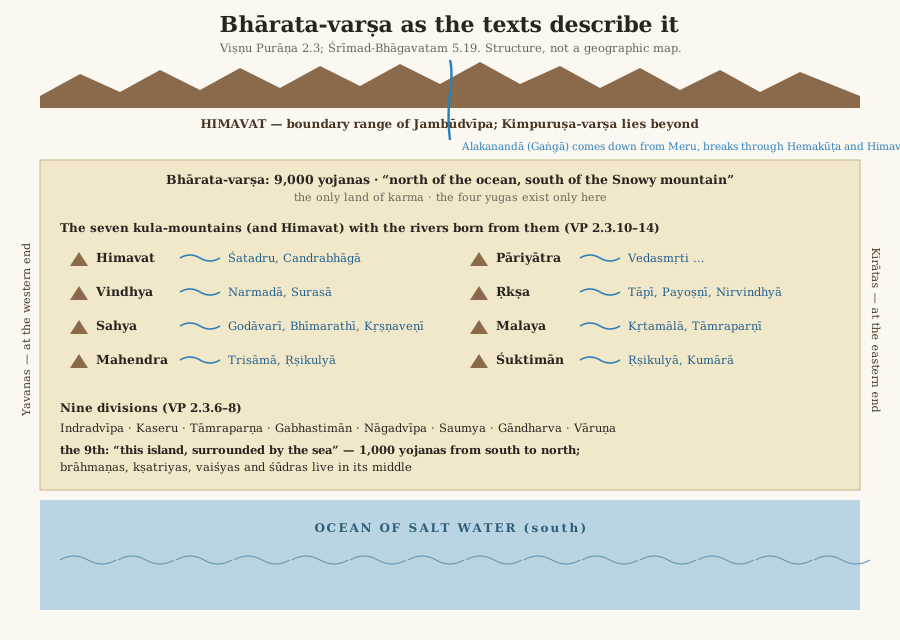
Here is the main description, from the Viṣṇu Purāṇa:
uttaraṃ yat samudrasya himādreś caiva dakṣiṇam varṣaṃ tad bhārataṃ nāma bhāratī yatra saṃtatiḥ / navayojanasāhasro vistāro 'sya mahāmune karmabhūmir iyaṃ svargam apavargaṃ ca gacchatām / mahendro malayaḥ sahyaḥ śuktimān ṛkṣaparvataḥ vindhyaś ca pāriyātraś ca saptātra kulaparvatāḥ / ataḥ saṃprāpyate svargo muktim asmāt prayānti ca tiryaktvaṃ narakaṃ cāpi yānty ataḥ puruṣā mune / itaḥ svargaś ca mokṣaś ca madhyaṃ cāntaś ca gamyate na khalv anyatra martyānāṃ karma bhūmau vidhīyate /
“The land that lies north of the ocean and south of the Snowy Mountain is called Bhārata; the descendants of Bharata live there. It is nine thousand yojanas across, great sage. It is the land of action for those who go to heaven and to liberation. Mahendra, Malaya, Sahya, Śuktimān, Ṛkṣa, Vindhya and Pāriyātra are its seven main mountains. From here people reach heaven, from here they reach liberation — and from here they also go to animal births and to hell. Nowhere else is action given to mortals.” — Viṣṇu Purāṇa 2.3.1–5
And the next verses tell us how it is divided — this is very important:
bhāratasyāsya varṣasya nava bhedān niśāmaya indradvīpaḥ kaseruś ca tāmraparṇo gabhastimān / nāgadvīpas tathā saumyo gāndharvas tv atha vāruṇaḥ ayaṃ tu navamas teṣāṃ dvīpaḥ sāgarasaṃvṛtaḥ / yojanānāṃ sahasraṃ tu dvīpo 'yaṃ dakṣiṇottarāt pūrve kirātā yasyānte paścime yavanāḥ sthitāḥ / brāhmaṇāḥ kṣatriyā vaiśyā madhye śūdrāś ca bhāgaśaḥ ijyāyudhavaṇijyādyair vartayanto vyavasthitāḥ /
“Hear the nine divisions of this Bhārata-varṣa: Indradvīpa, Kaseru, Tāmraparṇa, Gabhastimān, Nāgadvīpa, Saumya, Gāndharva and Vāruṇa. And this is the ninth of them — an island surrounded by the sea. From south to north it is a thousand yojanas. At its eastern end live the Kirātas, at its western end the Yavanas. In the middle live brāhmaṇas, kṣatriyas, vaiśyas and śūdras, each in their place, living by sacrifice, arms, trade and work.” — Viṣṇu Purāṇa 2.3.6–9
Then the rivers — each tied to the mountain it comes from:
śatadrūcandrabhāgādyā himavatpādaniḥsṛtāḥ vedasmṛtimukhāś cānyāḥ pāriyātrodbhavā mune / narmadāsurasādyāś ca nadyo vindhyādrinirgatāḥ tāpīpayoṣṇīnirvindhyāpramukhā ṛkṣasaṃbhavāḥ / godāvarī bhīmarathī kṛṣṇaveṇyādikās tathā sahyapādodbhavā nadyaḥ smṛtāḥ pāpabhayāpahāḥ / kṛtamālātāmraparṇīpramukhā malayodbhavāḥ trisāmā ṛṣikulyādyā mahendraprabhavāḥ smṛtāḥ / ṛṣikulyākumārādyāḥ śuktimatpādasaṃbhavāḥ āsāṃ nadyupanadyaś ca santy anyāś ca sahasraśaḥ /
“Śatadru, Candrabhāgā and others flow from the foot of the Himavat; Vedasmṛti and others are born from Pāriyātra; Narmadā, Surasā and others come from the Vindhya; Tāpī, Payoṣṇī and Nirvindhyā from Ṛkṣa; Godāvarī, Bhīmarathī, Kṛṣṇaveṇī from the foot of Sahya — they take away sin and fear; Kṛtamālā and Tāmraparṇī from Malaya; Trisāmā and Ṛṣikulyā from Mahendra; Ṛṣikulyā and Kumārā from Śuktimān. And there are thousands of other rivers and streams.” — Viṣṇu Purāṇa 2.3.10–14
And the peoples who drink from these rivers:
tāsv ime kurupāñcālā madhyadeśādayo janāḥ pūrvadeśādikāś caiva kāmarūpanivāsinaḥ / puṇḍrāḥ kaliṅgā magadhā dākṣiṇādyāś ca kṛtsnaśaḥ tathāparāntāḥ saurāṣṭrāḥ śūrābhīrās tathārbudāḥ / kārūṣā mālavāś caiva pāriyātranivāsinaḥ sauvīrāḥ saindhavā hūṇāḥ sālvāḥ śākalavāsinaḥ / madrā rāmās tathāmbaṣṭhāḥ pārasīkādayas tathā āsāṃ pibanti salilaṃ vasanti saritāṃ sadā samīpato mahābhāgā hṛṣṭapuṣṭajanākulāḥ /
“By these rivers live the Kurus and Pāñcālas, the peoples of the Middle Country, the eastern peoples and those of Kāmarūpa; the Puṇḍras, Kaliṅgas, Magadhas and all the southern peoples; the Aparāntas, Saurāṣṭras, Śūras, Ābhīras and Arbudas; the Kārūṣas, Mālavas and those who live near Pāriyātra; the Sauvīras, Saindhavas, Hūṇas, Sālvas and the people of Śākala; the Madras, Rāmas, Ambaṣṭhas, Pārasīkas (Persians) and others. They drink the water of these rivers and live near them, happy and well fed.” — Viṣṇu Purāṇa 2.3.15–18
The Bhāgavatam gives an even longer list — 27 mountains and 43 great rivers:
bhārate 'py asmin varṣe saric-chailāḥ santi bahavo malayo maṅgala-prastho mainākas trikūṭa ṛṣabhaḥ kūṭakaḥ kollakaḥ sahyo devagirir ṛṣyamūkaḥ śrī-śailo veṅkaṭo mahendro vāridhāro vindhyaḥ śuktimān ṛkṣagiriḥ pāriyātro droṇaś citrakūṭo govardhano raivatakaḥ kakubho nīlo gokāmukha indrakīlaḥ kāmagirir iti cānye ca śata-sahasraśaḥ śailās teṣāṃ nitamba-prabhavā nadā nadyaś ca santy asaṅkhyātāḥ / etāsām apo bhāratyaḥ prajā nāmabhir eva punantīnām ātmanā copaspṛśanti / candravasā tāmraparṇī avaṭodā kṛtamālā vaihāyasī kāverī veṇī payasvinī śarkarāvartā tuṅgabhadrā kṛṣṇāveṇyā bhīmarathī godāvarī nirvindhyā payoṣṇī tāpī revā surasā narmadā carmaṇvatī sindhur andhaḥ śoṇaś ca nadau mahānadī vedasmṛtir ṛṣikulyā trisāmā kauśikī mandākinī yamunā sarasvatī dṛṣadvatī gomatī sarayū rodhasvatī saptavatī suṣomā śatadrūś candrabhāgā marudvṛdhā vitastā asiknī viśveti mahā-nadyaḥ
“In this Bhārata-varṣa there are many mountains that give birth to rivers: Malaya, Maṅgala-prastha, Maināka, Trikūṭa, Ṛṣabha, Kūṭaka, Kollaka, Sahya, Devagiri, Ṛṣyamūka, Śrī-śaila, Veṅkaṭa, Mahendra, Vāridhāra, Vindhya, Śuktimān, Ṛkṣagiri, Pāriyātra, Droṇa, Citrakūṭa, Govardhana, Raivataka, Kakubha, Nīla, Gokāmukha, Indrakīla, Kāmagiri — and hundreds of thousands more. Countless rivers are born from their slopes. The people of Bhārata touch their water, which purifies by its very name. The great rivers are: Candravasā, Tāmraparṇī, … Kāverī, … Tuṅgabhadrā, Kṛṣṇāveṇyā, Bhīmarathī, Godāvarī, … Tāpī, Revā, … Narmadā, Carmaṇvatī, Sindhu, … Kauśikī, Mandākinī, Yamunā, Sarasvatī, … Gomatī, Sarayū, … Śatadrū, Candrabhāgā, … Vitastā, Asiknī, Viśvā.” — Śrīmad-Bhāgavatam 5.19.16–18
And why is this land so special? Because of what can be done here. The Viṣṇu Purāṇa says the four ages — Kṛta, Tretā, Dvāpara and Kali — exist only here:
catvāri bhārate varṣe yugāny atra mahāmune kṛtaṃ tretā dvāparaṃ ca kaliś cānyatra na kvacit / tapas tapyanti yatayo juhvate cātra yajvinaḥ dānāni cātra dīyante paralokārtham ādarāt / puruṣair yajñapuruṣo jambūdvīpe sadejyate yajñair yajñamayo viṣṇur anyadvīpeṣu cānyathā / atrāpi bhārataṃ śreṣṭhaṃ jambūdvīpe mahāmune yato hi karmabhūr eṣā hy ato 'nyā bhogabhūmayaḥ / atra janmasahasrāṇāṃ sahasrair api sattama kadācil labhate jantur mānuṣyaṃ puṇyasaṃcayāt /
“The four ages — Kṛta, Tretā, Dvāpara and Kali — exist in Bhārata-varṣa and nowhere else. Here ascetics do penance, here the sacrificers make offerings, here gifts are given with care for the next world… Bhārata is the best part of Jambūdvīpa, because it is the land of action; the others are lands of enjoyment. Only rarely, after thousands and thousands of births, does a being gain a human birth here.” — Viṣṇu Purāṇa 2.3.19–23
And the gods themselves sing about it with longing:
aho amīṣāṃ kim akāri śobhanaṃ prasanna eṣāṃ svid uta svayaṃ hariḥ / yair janma labdhaṃ nṛṣu bhāratājire mukunda-sevaupayikaṃ spṛhā hi naḥ / kiṃ duṣkarair naḥ kratubhis tapo-vratair dānādibhir vā dyujayena phalgunā / na yatra nārāyaṇa-pāda-paṅkaja- smṛtiḥ pramuṣṭātiśayendriyotsavāt
“Ah! What good did these people do — or is Hari Himself pleased with them — that they were born as humans in the courtyard of Bhārata, a birth made for serving Mukunda? We long for it! What use are our hard sacrifices, penances and gifts, and this empty victory of heaven, where the memory of Nārāyaṇa's lotus feet is stolen by too much festivity of the senses?” — Śrīmad-Bhāgavatam 5.19.21–22
Heaven is a place of pleasure. But Bhārata is the place where one can remember Kṛṣṇa. And the gods know which is better.
9. Is today's India the Bhārata-varṣa of the scriptures?
Now we can look at the question honestly. Let us put what the texts say next to each other, and see what fits and what does not.
What fits. Many names of the texts live on in India today, and they sit in the right order. The Narmadā really flows from the Vindhya, as the Viṣṇu Purāṇa says. The Godāvarī and Kṛṣṇā really start in the western mountains (Sahya). The Tāmraparṇī really flows in the far south. The Śatadru and Candrabhāgā (Sutlej and Chenab) really come from the Himālaya. The peoples of the lists — Kaliṅga, Magadha, Kerala, Cola, Pāṇḍya — are places we know. And the Rāmāyaṇa's road to the south runs in a very recognizable order:
sahasraśirasaṃ vindhyaṃ nānādrumalatāvṛtam | narmadāṃ ca nadīṃ durgāṃ mahoraganiṣevitām || tato godāvarīṃ ramyāṃ kṛṣṇāveṇīṃ mahānadīm | varadāṃ ca mahābhāgāṃ … mekhalān utkalāṃś caiva daśārṇanagarāṇy api | avantīm abhravantīṃ ca … vidarbhān ṛṣikāṃś caiva ramyān māhiṣakān api | tathā baṅgān kaliṅgāṃś ca kauśikāṃś ca … anvīkṣya daṇḍakāraṇyaṃ … tathaivāndhrāṃś ca puṇḍrāṃś ca colān pāṇḍyān sakeralān | ayomukhaś ca gantavyaḥ … tatra drakṣyatha kāverīṃ … malayasya … agastyam ṛṣisattamam || … tāmraparṇīṃ grāhajuṣṭāṃ tariṣyatha mahānadīm ||
“Search the thousand-peaked Vindhya, the hard-to-cross Narmadā, the lovely Godāvarī, the great Kṛṣṇāveṇī… the lands of Vidarbha, Kaliṅga… the Daṇḍaka forest… the Andhras, Colas, Pāṇḍyas and Keralas… There you will see the Kāverī… the Malaya mountain and the great sage Agastya… and you will cross the great river Tāmraparṇī, full of crocodiles.” — Rāmāyaṇa 4.40.8–18
Anyone who knows the map of South India will recognize this route.
What does not fit. And here are the things that do not fit — and they are big.
- The size. Bhārata-varṣa is nine thousand yojanas across (VP 2.3.1–5). We do not know the exact length of a yojana from these verses. But whatever length we take — even if a yojana were just one kilometer — nine thousand of them is far more than the whole of India from north to south.
- The nine divisions. The texts say Bhārata has nine parts, and only the ninth is “this island surrounded by the sea”, a thousand yojanas from south to north, where the four varṇas live (VP 2.3.6–9). So by the Purāṇa's own words, the land of the Vedic peoples — with its Narmadā and Kāverī — is only one ninth of Bhārata-varṣa. The other eight parts — Indradvīpa, Kaseru, Tāmraparṇa, Gabhastimān, Nāgadvīpa, Saumya, Gāndharva, Vāruṇa — are not on our maps at all.
- Who lives there. Inside Bhārata the texts place peoples who, in our usual picture, live far from India: Hūṇas and Pārasīkas — Persians (VP 2.3.15–18); Kirātas in the east and Yavanas in the west (VP 2.3.8). The Mahābhārata's list of peoples of Bhārata includes Cīnas, Tukhāras and Kambojas too (MBh 6.10.37–68).
- The mountain wall. The Himavat of the texts is one of the six great ranges of Jambūdvīpa. They are ten thousand yojanas high (ŚB 5.16.9) and they run from east to west, reaching the ocean at both ends:
… prāgāyatā mahārāja ṣaḍ ete ratnaparvatāḥ / avagāḍhā hy ubhayataḥ samudrau pūrvapaścimau / himavān hemakūṭaś ca niṣadhaś ca nagottamaḥ / nīlaś ca vaiḍūryamayaḥ śvetaś ca rajataprabhaḥ / sarvadhātuvinaddhaś ca śṛṅgavān nāma parvataḥ /
“These six jewel mountains run from east to west and plunge into the eastern and western oceans: Himavat, Hemakūṭa, Niṣadha the best of mountains, Nīla made of beryl, Śveta shining like silver, and Śṛṅgavān, full of all minerals.” — Mahābhārata 6.7.1–5
- The shape. The Mahābhārata says the southern and northern lands of Jambūdvīpa are shaped like a bow (dhanuḥ-saṁsthe), with Ilāvṛta in the middle (MBh 6.7.29–38):
… varṣam airāvataṃ nāma tataḥ śṛṅgavataḥ param / dhanuḥsaṃsthe mahārāja dve varṣe dakṣiṇottare / ilāvṛtaṃ madhyamaṃ tu pañca varṣāṇi caiva ha / uttarottaram etebhyo varṣam udricyate guṇaiḥ / āyuṣpramāṇam ārogyaṃ dharmataḥ kāmato 'rthataḥ /
“…The two lands, the southern and the northern, are shaped like a bow, O king; Ilāvṛta is in the middle… Each land further north is better in length of life, health, dharma, pleasure and wealth.” — Mahābhārata 6.7.29–38
- Where the Gaṅgā comes from. The Alakanandā reaches Bhārata only after crossing Ilāvṛta, Hari-varṣa and Kimpuruṣa, and breaking through Niṣadha, Hemakūṭa and the Himavat (ŚB 5.17.9). Behind the Himālaya, the texts place Kimpuruṣa — where Hanumān worships Rāma — and further on, the land of Nṛsiṁha.
- The one land of action. The strongest point is this. The texts say the four ages and short human lives exist only in Bhārata (VP 2.3.19). Everywhere else in Jambūdvīpa people live ten thousand years. So wherever people are born, age, and die in a hundred years, and live through Kali-yuga — that is Bhārata-varṣa. By the logic of the texts, the whole world of ordinary short-lived humans, which we know, lies inside Bhārata.
So what is the answer? The texts do not allow a simple “India = Bhārata-varṣa”. What they describe is much bigger. The land we now call India fits very well one part of it — the ninth, “surrounded by the sea”, with the Vindhya, the Narmadā, the Godāvarī, the Kāverī and the peoples of the four varṇas. Its names match. But Bhārata-varṣa of the scriptures is a whole varṣa of Jambūdvīpa — the southern “petal” of the earth-lotus, nine thousand yojanas wide, divided into nine parts by seas, holding within it peoples from Persia to China, and bounded in the north by a range that runs from ocean to ocean.
So the feeling many readers have — that the modern country does not match the description — is well founded. The name “Bhārata” stayed with the part where the Vedic culture lived longest. The land of the scriptures is far larger.
10. The Rāmāyaṇa's map of the four directions
The Rāmāyaṇa has a wonderful passage for anyone who wants landmarks. Sugrīva sends his monkeys to search for Sītā in all four directions — and describes each road to the very end of the world. The south we have already seen. Here is the end of the southern road:
tato hemamayaṃ divyaṃ muktāmaṇivibhūṣitam | yuktaṃ kavāṭaṃ pāṇḍyānāṃ … agastyenāntare tatra sāgare viniveśitaḥ || citranānānagaḥ śrīmān mahendraḥ parvatottamaḥ | … dvīpas tasyāpare pāre śatayojanam āyataḥ | agamyo mānuṣair dīptas … sa hi deśas tu vadhyasya rāvaṇasya durātmanaḥ | … aṅgāraketi … giriḥ puṣpitako nāma …
“Then you will see the golden gate of the Pāṇḍyas, adorned with pearls and gems… and Mahendra, the best of mountains, which Agastya placed in the ocean. On the far shore is an island a hundred yojanas long, shining, which humans cannot reach — that is the land of the wicked Rāvaṇa…” — Rāmāyaṇa 4.40.19–30
The eastern road goes past the Gaṅgā and the Yamunā to the red sea, the ocean of milk — and to the mountain of sunrise:
svādūdasyottare deśe yojanāni trayodaśa | jātarūpaśilo nāma mahān kanakaparvataḥ || … tataḥ paraṃ hemamayaḥ śrīmān udayaparvataḥ || tasya koṭir divaṃ spṛṣṭvā śatayojanam āyatā | … śṛṅgaṃ saumanasaṃ nāma … tatra pūrvaṃ padaṃ kṛtvā purā viṣṇus trivikrame | dvitīyaṃ śikharaṃ meroś cakāra puruṣottamaḥ || uttareṇa parikramya jambūdvīpaṃ divākaraḥ | … ayaṃ sudarśano dvīpaḥ …
“Beyond the ocean of sweet water is a great golden mountain… and beyond that, the golden Mountain of Sunrise. Its summit touches heaven and is a hundred yojanas long. There is its peak Saumanasa: there Viṣṇu, as Trivikrama, placed His first step, and His second on the peak of Meru. Going round Jambūdvīpa by the north, the sun…” — Rāmāyaṇa 4.39.45–56
The western road ends at the mountain of sunset, and here the Rāmāyaṇa places Meru among sixty thousand golden hills:
ṣaṣṭiṃ girisahasrāṇi kāñcanāni gamiṣyatha || … teṣāṃ madhye sthito rājā merur uttamaparvataḥ | … adṛśyaḥ sarvabhūtānām astaṃ gacchati parvatam || yojanānāṃ sahasrāṇi daśatāni divākaraḥ | muhūrtārdhena taṃ śīghram abhiyāti śiloccayam || … niketaṃ pāśahastasya varuṇasya mahātmanaḥ || antarā merum astaṃ ca tālo daśaśirā mahān |
“You will reach sixty thousand golden mountains; among them stands the king, Meru… The sun, unseen by all beings, goes to the Mountain of Sunset… There is the home of great Varuṇa, who holds the noose.” — Rāmāyaṇa 4.41.30–41
And the northern road — past Kailāsa, over a river whose bamboo carries the Siddhas across — leads to the Northern Kurus:
taṃ tu deśam atikramya śailodā nāma nimnagā | ubhayos tīrayor yasyāḥ kīcakā nāma veṇavaḥ || te nayanti paraṃ tīraṃ siddhān pratyānayanti ca | uttarāḥ kuravas tatra kṛtapuṇyapratiśriyāḥ ||
“Beyond that land flows the river Śailodā. On both its banks grows bamboo called kīcaka: it carries the Siddhas to the far shore and brings them back. There are the Northern Kurus, the refuge of those who have done good.” — Rāmāyaṇa 4.42.35–52
samatikramya taṃ deśam uttaras toyasāṃ nidhiḥ | tatra somagirir nāma madhye hemamayo mahān || … sa tu deśo visūryo 'pi tasya bhāsā prakāśate | … na kathaṃ cana gantavyaṃ kurūṇām uttareṇa vaḥ | … etāvad vānaraiḥ śakyaṃ gantuṃ vānarapuṃgavāḥ | abhāskaram amaryādaṃ na jānīmas tataḥ param ||
“Beyond that land is the northern ocean, and in its middle the great golden mountain Somagiri. That land has no sun, but it shines with the mountain's light… You must not go north of the Kurus… This far the monkeys can go. Beyond, there is no sun and no border, and we do not know it.” — Rāmāyaṇa 4.42.53–62
In every direction the Rāmāyaṇa ends the same way: here the known world stops, and beyond it is a land without sun. That is the same edge as Lokāloka.
11. The sun's chariot and the four cities
How does the sun move in this picture? It does not go around a ball. It drives around Meru, on a wheel that runs over the Mānasottara mountain in the middle of Puṣkara-dvīpa. On that mountain, at the four sides, are four cities:
evaṃ nava koṭaya eka-pañcāśal-lakṣāṇi yojanānāṃ mānasottara-giri-parivartanasyopadiśanti tasminn aindrīṃ purīṃ pūrvasmān meror devadhānīṃ nāma dakṣiṇato yāmyāṃ saṃyamanīṃ nāma paścād vāruṇīṃ nimlocanīṃ nāma uttarataḥ saumyāṃ vibhāvarīṃ nāma tāsūdaya-madhyāhnāstamaya-niśīthānīti bhūtānāṃ pravṛtti-nivṛtti-nimittāni samaya-viśeṣeṇa meroś catur-diśam
“The circuit of Mount Mānasottara is nine koṭi and fifty-one lakh yojanas. On it, east of Meru, is Indra's city Devadhānī; south, Yama's city Saṁyamanī; west, Varuṇa's city Nimlocanī; north, the Moon's city Vibhāvarī. In them sunrise, noon, sunset and midnight happen at their own times, and make all beings begin and stop their work.” — Śrīmad-Bhāgavatam 5.21.7
So when it is sunrise in Indra's city, it is noon in Yama's, sunset in Varuṇa's, and midnight in the Moon's. The Viṣṇu Purāṇa adds that the sun never really rises or sets — it is only seen and not seen (VP 2.8.10–15). And because Meru is north of everything, the Purāṇa says, “north” always means “toward Meru”:
śakrādīnāṃ pure tiṣṭhan spṛśaty eṣa puratrayam … ṛte 'maragirer meror upari brahmaṇaḥ sabhām ye ye marīcayo 'rkasya prayānti brahmaṇaḥ sabhām te te nirastās tadbhāsā pratīpam upayānti vai / tasmād diśy uttarasyāṃ vai divārātriḥ sadaiva hi sarveṣāṃ dvīpavarṣāṇāṃ merur uttarato yataḥ /
“Standing over the city of Indra or another, the sun touches three cities… The rays of the sun that reach the hall of Brahmā on Meru are pushed back by its light. That is why in the north there is always both day and night: for all the islands and lands, Meru is to the north.” — Viṣṇu Purāṇa 2.8.16–20
The chariot itself is described like a machine:
yasyaikaṃ cakraṃ dvādaśāraṃ ṣaṇ-nemi tri-ṇābhi saṃvatsarātmakaṃ samāmananti tasyākṣo meror mūrdhani kṛto mānasottare kṛtetara-bhāgo yatra protaṃ ravi-ratha-cakraṃ taila-yantra-cakravad bhraman mānasottara-girau paribhramati / tasminn akṣe kṛtamūlo dvitīyo 'kṣas turyamānena sammitas taila-yantrākṣavad dhruve kṛtopari-bhāgaḥ
“Its one wheel has twelve spokes, six rims and three hubs — it is the year. Its axle is fixed with one end on the top of Meru and the other on Mānasottara. The wheel of the sun's chariot is set on it and turns like the wheel of an oil press, going round and round Mount Mānasottara. A second axle, a quarter as long, is fixed at its lower end to the first and at its upper end to Dhruva.” — Śrīmad-Bhāgavatam 5.21.13–14
ratha-nīḍas tu ṣaṭ-triṃśal-lakṣa-yojanāyatas tat-turīya-bhāga-viśālas tāvān ravi-ratha-yugo yatra hayāś chando-nāmānaḥ saptāruṇa-yojitā vahanti devam ādityam / purastāt savitur aruṇaḥ paścāc ca niyuktaḥ sautye karmaṇi kilāste / tathā vālikhilyā ṛṣayo 'ṅguṣṭha-parva-mātrāḥ ṣaṣṭi-sahasrāṇi purataḥ sūryaṃ sūkta-vākāya niyuktāḥ saṃstuvanti
“The body of the chariot is thirty-six lakh yojanas long and a quarter as wide. Seven horses, named after the Vedic meters, harnessed by Aruṇa, pull the god of the sun. Aruṇa sits in front of the sun, facing back, as the driver. And sixty thousand tiny sages, the Vālikhilyas, each the size of a thumb joint, go before the sun and praise him with hymns.” — Śrīmad-Bhāgavatam 5.21.15–17
12. The lights above: moon, planets, sages and Dhruva
Above the sun, the Bhāgavatam lists the lights one by one, with the distance between them. And a surprise for our usual picture: the moon is above the sun.
evaṃ candramā arka-gabhastibhya upariṣṭāl lakṣa-yojanata upalabhyamāno 'rkasya saṃvatsara-bhuktiṃ pakṣābhyāṃ māsa-bhuktiṃ sapādarkṣābhyāṃ dinenaiva pakṣa-bhuktim agracārī drutatara-gamano bhuṅkte / … ekam ekaṃ nakṣatraṃ triṃśatā muhūrtair bhuṅkte
“The moon is seen a hundred thousand yojanas above the rays of the sun. Moving faster, it covers in two fortnights what the sun covers in a year… and passes one star-mansion in thirty muhūrtas.” — Śrīmad-Bhāgavatam 5.22.8–9
Then come the star-mansions (nakṣatras), then Venus, Mercury, Mars, Jupiter and Saturn, each higher than the one before, then the Seven Sages, and at the very top — Dhruva, the pole star:
atha tasmāt paratas trayodaśa-lakṣa-yojanāntarato yat tad viṣṇoḥ paramaṃ padam abhivadanti yatra ha mahā-bhāgavato dhruva auttānapādir agninendreṇa prajāpatinā kaśyapena dharmeṇa ca samakāla-yugbhiḥ sabahu-mānaṃ dakṣiṇataḥ kriyamāṇa idānīm api kalpa-jīvinām ājīvya upāste …
“Thirteen lakh yojanas beyond that is what they call the supreme place of Viṣṇu. There lives the great devotee Dhruva, son of Uttānapāda. To this day Agni, Indra, Prajāpati, Kaśyapa and Dharma circle around him with great respect. He is the support of all who live for a kalpa.” — Śrīmad-Bhāgavatam 5.23.1
All the lights are tied to Dhruva, like oxen to a post on a threshing floor. And the whole circle of lights, the Bhāgavatam says, can be seen as the shape of a great dolphin — a form for meditating on the Lord:
kecanaitaj jyotir-anīkaṃ śiśumāra-saṃsthānena bhagavato vāsudevasya yoga-dhāraṇāyām anuvarṇayanti / yasya pucchāgre 'vākśirasaḥ kuṇḍalī-bhūta-dehasya dhruva upakalpitas tasya lāṅgūle prajāpatir agnir indro dharma iti puccha-mūle dhātā vidhātā ca kaṭyāṃ saptarṣayaḥ … pṛṣṭhe tv ajavīthī ākāśa-gaṅgā codarataḥ
“Some describe this host of lights in the shape of a śiśumāra — a dolphin — for meditation on Lord Vāsudeva. Its head points down and its body is coiled. At the tip of its tail is Dhruva; on the tail are Prajāpati, Agni, Indra and Dharma; at the base of the tail, Dhātā and Vidhātā; at its hips, the Seven Sages… along its belly flows the heavenly Gaṅgā.” — Śrīmad-Bhāgavatam 5.23.4–5
Here are the heights, side by side in the two books. The numbers are distances above the one before, in yojanas:
| Light | Śrīmad-Bhāgavatam 5.22–5.23 | Viṣṇu Purāṇa 2.7 |
|---|---|---|
| Sun | — | 100,000 above the earth |
| Moon | 100,000 above the sun | 100,000 |
| Nakṣatras (28) | 200,000 | 100,000 |
| Venus | 200,000 | 200,000 |
| Mercury | 200,000 | 200,000 |
| Mars | 200,000 | 200,000 |
| Jupiter | 200,000 | 200,000 |
| Saturn | 200,000 | 200,000 |
| Seven Sages | 1,100,000 | 100,000 |
| Dhruva | 1,300,000 | 100,000 |
(The Viṣṇu Purāṇa puts Mercury below Venus — VP 2.7.7–11. The sizes of the discs are given too: the sun 10,000 yojanas across, the moon 12,000, and Rāhu 13,000 — ŚB 5.24.1–3.)
And what about Rāhu? The Bhāgavatam places him below the sun:
adhastāt savitur yojanāyute svarbhānur nakṣatravac caratīty eke … yad adas taraṇer maṇḍalaṃ pratapatas tad vistarato yojanāyutam ācakṣate dvādaśa-sahasraṃ somasya trayodaśa-sahasraṃ rāhor yaḥ parvaṇi tad-vyavadhāna-kṛd vairānubandhaḥ sūryā-candramasāv abhidhāvati …
“Some say that ten thousand yojanas below the sun, Rāhu moves like a star… The disc of the burning sun is said to be ten thousand yojanas wide, the moon's twelve thousand, and Rāhu's thirteen thousand. At the new and full moon, out of old hatred, he rushes at the sun and the moon.” — Śrīmad-Bhāgavatam 5.24.1–3
I wrote more about Rāhu and Ketu, and why darkness hates the light, in a separate article.
13. The worlds below: heavens under the earth
Below the earth are seven more worlds. And here is another surprise: they are not hells. The Bhāgavatam calls them “heavens in caves” — bila-svarga — richer than heaven itself:
upavarṇitaṃ bhūmer yathā-sanniveśāvasthānam avaner apy adhastāt sapta bhū-vivarā ekaikaśo yojanāyutāntareṇāyāma-vistāreṇopakḷptā atalaṃ vitalaṃ sutalaṃ talātalaṃ mahātalaṃ rasātalaṃ pātālam iti / eteṣu hi bila-svargeṣu svargād apy adhika-kāma-bhogaiśvaryānanda-bhūti-vibhūtibhiḥ … daitya-dānava-kādraveyā … nivasanti
“Below the earth are seven cavities, each ten thousand yojanas below the last, as long and wide as the earth: Atala, Vitala, Sutala, Talātala, Mahātala, Rasātala and Pātāla. In these heavens under the earth, with more pleasure, wealth, joy and splendor than heaven itself, live the Daityas, the Dānavas and the serpent sons of Kadrū.” — Śrīmad-Bhāgavatam 5.24.7–8
There is no sun there. The light comes from the jewels on the hoods of the great serpents. Each world has its own master. In Vitala is Śiva, as the lord of gold:
tato 'dhastād vitale haro bhagavān hāṭakeśvaraḥ sva-pārṣada-bhūta-gaṇāvṛtaḥ … bhavo bhavānyā saha mithunī-bhūta āste yataḥ pravṛttā sarit-pravarā hāṭakī nāma … tan niṣṭhyūtaṃ hāṭakākhyaṃ suvarṇaṃ …
“Below that, in Vitala, lives Lord Hara as Hāṭakeśvara, surrounded by his Bhūtas, together with Bhavānī. From them flows the river Hāṭakī… and the gold called hāṭaka comes from it.” — Śrīmad-Bhāgavatam 5.24.17
In Sutala lives King Bali — the one who gave everything to Vāmana. And the Lord Himself guards his door:
tato 'dhastāt sutale udāra-śravāḥ puṇya-śloko virocanātmajo balir bhagavatā mahendrasya priyaṃ cikīrṣamāṇenāditer labdha-kāyo bhūtvā vaṭu-vāmana-rūpeṇa parākṣipta-loka-trayo bhagavad-anukampayaiva punaḥ praveśita indrādiṣv avidyamānayā susamṛddhayā śriyābhijuṣṭaḥ … apagata-sādhvasa āste 'dhunāpi …
“Below that, in Sutala, lives Bali, son of Virocana, famous for his generosity. The Lord, born of Aditi as a little Vāmana, took the three worlds from him — and by the Lord's mercy alone he was placed here, with wealth that even Indra does not have. He lives here even now, free from fear.” — Śrīmad-Bhāgavatam 5.24.18–19
And at the bottom, Pātāla, the world of the Nāgas:
tato 'dhastād rasātale daiteyā dānavāḥ paṇayo nāma nivāta-kavacāḥ kāleyā hiraṇya-puravāsina iti … bileśayā iva vasanti ye vai saramayendra-dūtyā vāgbhir mantra-varṇābhir indrād bibhyati / tato 'dhastāt pātāle nāga-loka-patayo vāsuki-pramukhāḥ śaṅkha-kulika-mahāśaṅkha-śveta-dhanañjaya-dhṛtarāṣṭra-śaṅkhacūḍa-kambalāśvatara-devadattādayo … pañca-sapta-daśa-śata-sahasra-śīrṣāṇāṃ phaṇāsu viracitā mahā-maṇayo … pātāla-vivara-timira-nikaraṃ sva-rociṣā vidhamanti
“Below that, in Rasātala, live the Daityas and Dānavas called Paṇis… like creatures in burrows. Below that, in Pātāla, live the lords of the serpent world — Vāsuki and the others… with five, seven, ten, a hundred and a thousand heads. The great jewels on their hoods drive away the darkness of Pātāla with their own light.” — Śrīmad-Bhāgavatam 5.24.30–31
The Viṣṇu Purāṇa names the seven lower worlds a little differently, and adds a detail that would help to recognize them — the color of their ground:
saptatis tu sahasrāṇi dvijocchrāyo 'pi kathyate / daśasāhasram ekaikaṃ pātālaṃ munisattama atalaṃ vitalaṃ caiva nitalaṃ ca gabhastimat mahākhyaṃ sutalaṃ cāgryaṃ pātālaṃ cāpi saptamam /
“Its depth is said to be seventy thousand yojanas; each lower world is ten thousand: Atala, Vitala, Nitala, Gabhastimat, Mahā, Sutala and the seventh, Pātāla.” — Viṣṇu Purāṇa 2.5.1–4
Their grounds, the same passage says, are white, black, red, yellow, of gravel, of stone, and of gold.
Below them all lies Ananta, the thousand-headed serpent who is a form of the Lord:
tasya mūla-deśe triṃśad-yojana-sahasrāntara āste yā vai kalā bhagavatas tāmasī samākhyātānanta iti … yaṃ saṅkarṣaṇam ity ācakṣate / yasyedaṃ kṣiti-maṇḍalaṃ bhagavato 'nanta-mūrteḥ sahasra-śirasa ekasminn eva śīrṣaṇi dhriyamāṇaṃ siddhārtha iva lakṣyate
“Thirty thousand yojanas below Pātāla lives Ananta, whom the devotees call Saṅkarṣaṇa. On just one of His thousand heads this whole earth rests, and looks like a mustard seed.” — Śrīmad-Bhāgavatam 5.25.1–2
And the hells? They are in a different place — in the south, below the earth and above the waters:
narakā nāma bhagavan kiṃ deśa-viśeṣā athavā bahis tri-lokyā āhosvid antarāla iti / antarāla eva tri-jagatyās tu diśi dakṣiṇasyām adhastād bhūmer upariṣṭāc ca jalād yasyām agniṣvāttādayaḥ pitṛ-gaṇā … nivasanti / yatra ha vāva bhagavān pitṛ-rājo vaivasvataḥ … sagaṇo damaṃ dhārayati
“'Are the hells real places? Are they outside the three worlds, or between them?' — 'Between them: in the south, below the earth and above the waters. In that direction live the ancestors. There Yama, the king of the ancestors, with his servants, judges those who are brought to him.'” — Śrīmad-Bhāgavatam 5.26.4–6
14. The higher worlds, and the night of Brahmā
Above Dhruva are the four higher worlds. The Viṣṇu Purāṇa gives their distances and who lives there:
dhruvād ūrdhvaṃ maharloko yatra te kalpavāsinaḥ ekayojanakoṭī tu maharloko 'bhidhīyate / dve koṭī tu jano loko … caturguṇottare cordhvaṃ janalokāt tapaḥ smṛtaḥ … ṣaḍguṇena tapolokāt satyaloko virājate apunarmārakā yatra brahmaloko hi sa smṛtaḥ /
“One koṭi yojanas above Dhruva is Maharloka, where those live who live for a whole kalpa. Janaloka is at two koṭi… Tapoloka is above Janaloka, four times as far… and six times beyond Tapoloka shines Satyaloka, where no one dies again — it is called the world of Brahmā.” — Viṣṇu Purāṇa 2.7.12–15
These higher worlds are not destroyed every night of Brahmā. But the three lower ones — earth, middle space and heaven — are. First comes fire, then water:
tri-lokyāṃ dahyamānāyāṃ śaktyā saṅkarṣaṇāgninā / yānty ūṣmaṇā maharlokāj janaṃ bhṛgv-ādayo 'rditāḥ
“When the three worlds burn in the fire of Saṅkarṣaṇa, Bhṛgu and the other sages, tormented by the heat, go up from Maharloka to Janaloka.” — Śrīmad-Bhāgavatam 3.11.29
catur-yuga-sahasraṃ tu brahmaṇo dinam ucyate / sa kalpo yatra manavaś caturdaśa… trayo lokā ime tatra kalpante pralayāya… eṣa naimittikaḥ… dvi-parārdhe tv atikrānte… prakṛtayaḥ sapta kalpante pralayāya… eṣa prākṛtiko… aṇḍa-koṣas tu saṅghāto vighāṭa upasādite
“A thousand cycles of four ages is one day of Brahmā — a kalpa, with fourteen Manus. Then these three worlds dissolve… that is the dissolution at the end of a day. But when two parārdhas have passed — Brahmā's whole life — the seven elements dissolve… and the egg itself, which is only a joining together, falls apart.” — Śrīmad-Bhāgavatam 12.4.1–6
Even Brahmā's world is not forever. Kṛṣṇa says it plainly:
ā-brahma-bhuvanāl lokāḥ punar āvartino 'rjuna | mām upetya tu kaunteya punar janma na vidyate
“All the worlds, up to the world of Brahmā, are places from which one returns, O Arjuna. But one who comes to Me is not born again.” — Bhagavad-gītā 8.16
15. Beyond the egg: the world that is not destroyed
And what is beyond all the coverings? The Bhāgavatam answers:
tad āhur akṣaraṃ brahma sarva-kāraṇa-kāraṇam / viṣṇor dhāma paraṃ sākṣāt puruṣasya mahātmanaḥ
“That they call the imperishable Brahman, the cause of all causes — the supreme abode of Viṣṇu Himself, the Great Person.” — Śrīmad-Bhāgavatam 3.11.41
paras tasmāt tu bhāvo 'nyo 'vyakto 'vyaktāt sanātanaḥ | yaḥ sa sarveṣu bhūteṣu naśyatsu na vinaśyati
“Beyond this unmanifest nature there is another, eternal nature, which does not perish when all beings perish.” — Bhagavad-gītā 8.20
That world does not need our sun:
na tad bhāsayate sūryo na śaśāṅko na pāvakaḥ | yad gatvā na nivartante tad dhāma paramaṁ mama
“Neither the sun, nor the moon, nor fire lights it. Those who go there do not return. That is My supreme abode.” — Bhagavad-gītā 15.6
na tatra sūryo bhāti na candratārakaṃ nemā vidyuto bhānti kuto 'yam agniḥ / tam eva bhāntam anu bhāti sarvaṃ tasya bhāsā sarvam idaṃ vibhāti
“There the sun does not shine, nor the moon and stars, nor lightning — what to speak of this fire. He shines, and everything shines after Him; by His light all this is lit.” — Kaṭha Upaniṣad 5.15
His light spreads through all the universes. That light is Brahman:
yasya prabhā prabhavato jagad-aṇḍa-koṭi-koṭiṣv aśeṣa-vasudhādi vibhūti-bhinnam tad brahma niṣkalam anantam aśeṣa-bhūtaṃ…
“His radiance, in millions and millions of universes, appears divided into countless earths and other worlds — that is Brahman, undivided, infinite, complete…” — Brahma-saṁhitā 5.40
The Bhāgavatam describes Vaikuṇṭha, the world of Nārāyaṇa, as Brahmā saw it:
pravartate yatra rajastamastayoḥ sattvaṃ ca miśraṃ na ca kālavikramaḥ / na yatra māyā…
“There is no passion there and no darkness, not even mixed goodness; there time has no power; there is no illusion…” — Śrīmad-Bhāgavatam 2.9.10
yatra naiḥśreyasaṃ nāma vanaṃ kāma-dughair drumaiḥ sarvartu-śrībhir vibhrājat kaivalyam iva mūrtimat
“There is the forest called Naiḥśreyasa, with trees that give every wish, shining with the beauty of all seasons at once — like freedom itself in visible form.” — Śrīmad-Bhāgavatam 3.15.16
And the Brahma-saṁhitā gives the order of the worlds from below: the world of Devī (the material world), the world of Śiva, the world of Hari — and above all, Goloka:
goloka-nāmni nija-dhāmni tale ca tasya devī-maheśa-hari-dhāmasu teṣu teṣu te te prabhāva-nicayā vihitāś ca yena…
“In His own abode called Goloka, and below it, in the worlds of Devī, Maheśa and Hari, He gave each its own powers…” — Brahma-saṁhitā 5.43
Goloka is described like no other place:
cintāmaṇi-prakara-sadmasu kalpa-vṛkṣa-lakṣāvṛteṣu surabhir abhipālayantam lakṣmī-sahasra-śata-sambhrama-sevyamānaṃ…
“In houses made of wish-fulfilling stones, among millions of wish-fulfilling trees, He tends the surabhi cows, served with love by hundreds of thousands of goddesses of fortune…” — Brahma-saṁhitā 5.29
śriyaḥ kāntāḥ kāntaḥ parama-puruṣaḥ kalpa-taravo drumā bhūmiś cintāmaṇi-gaṇa-mayī toyam amṛtam kathā gānaṃ nāṭyaṃ gamanam api vaṃśī priya-sakhi… nimeṣārdhākhyo vā vrajati na hi yatrāpi samayaḥ bhaje śvetadvīpaṃ tam aham iha golokam iti yaṃ…
“There the beloveds are goddesses of fortune, and the Beloved is the Supreme Person; the trees are wish-trees, the ground is made of wish-stones, the water is nectar; every word is a song, every step is a dance, and the flute is the dearest friend… There not even half a moment of time passes. I worship that Śvetadvīpa, which is known here as Goloka.” — Brahma-saṁhitā 5.56
16. Why the scriptures give us this map
Why do the books describe the world in such detail? Not just to satisfy our curiosity. Look at how the Bhāgavatam itself uses this map. Every land has its form of the Lord and its devotee. The lights in the sky form a body for meditation. The Gaṅgā is water from His foot. Even Rāhu, even the demons below, even the hells have their place and their lord.
So the Vedic map is not a map of empty space with rocks flying in it. It is a map of a living world, full of persons, where every place is someone's home and every home is arranged around the Lord.
And on this map one small place is marked as the most precious — Bhārata-varṣa, the land of action, where human birth is given and where one can remember Kṛṣṇa. The gods in heaven, surrounded by pleasures, envy us for it. Whatever the exact borders of Bhārata are, if you are reading this as a human being, living in the age of Kali, you are in that land. You have the one thing the gods long for: a chance to use this short life to go home — beyond the egg, beyond the coverings, to the world where every word is a song and every step is a dance.